Best Seasons for Brick Mailbox Installation
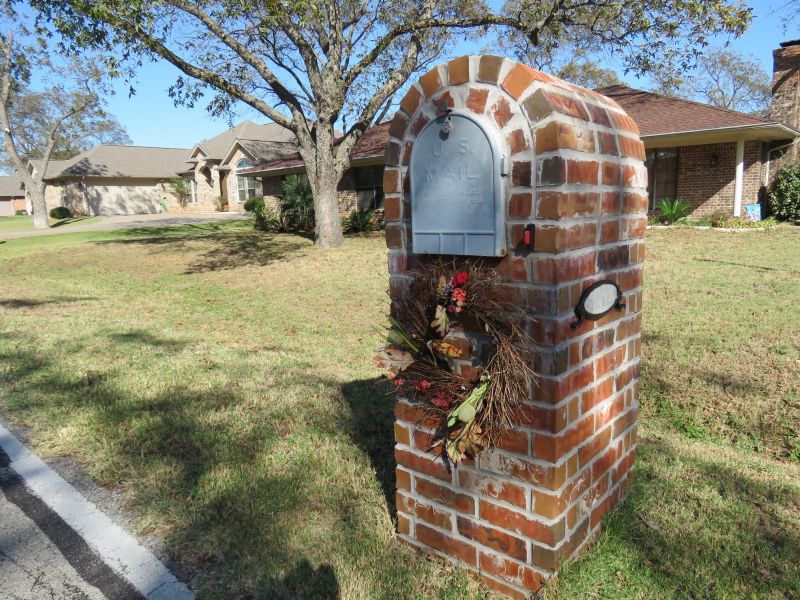
Spring offers moderate temperatures and longer daylight hours, ideal for outdoor masonry work.
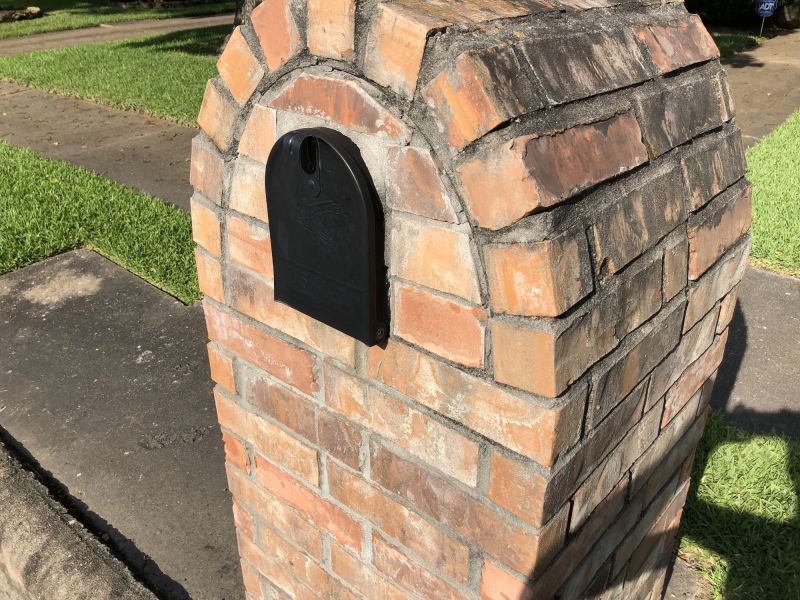
Summer provides warm weather, but high temperatures can affect curing times and work conditions.
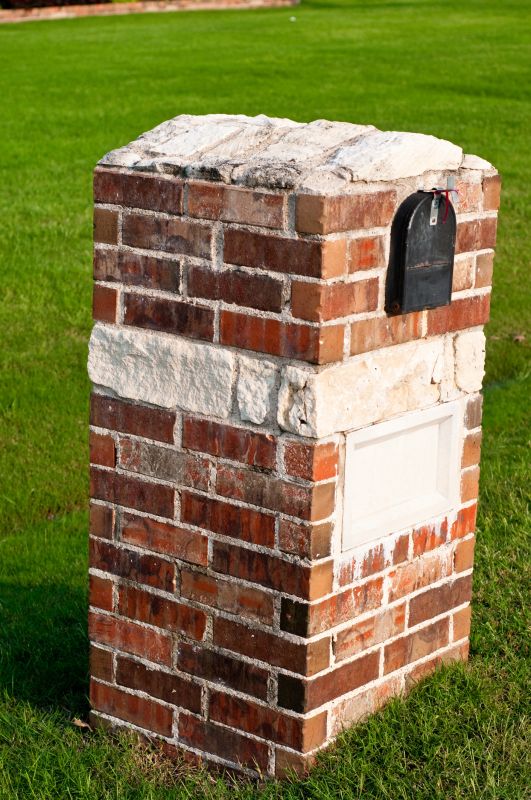
Fall's cooler temperatures and dry conditions help ensure proper setting and longevity.
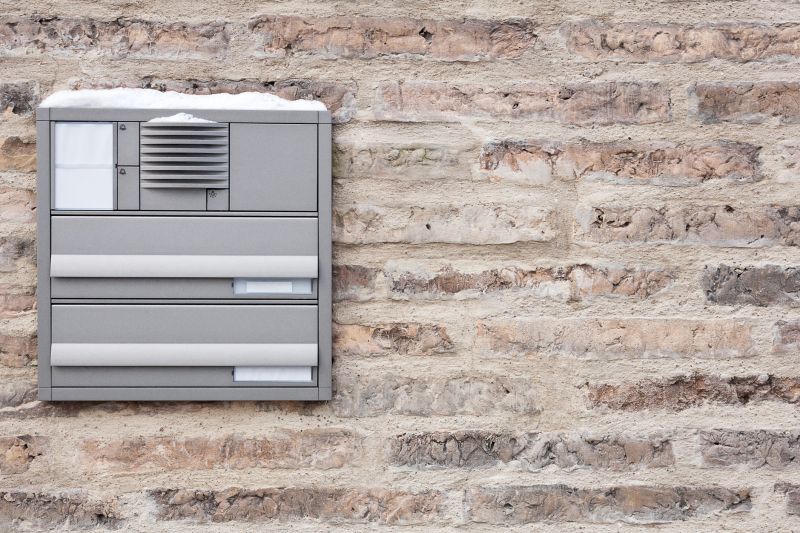
Ways to make Brick Mailbox Installations work in tight or awkward layouts.
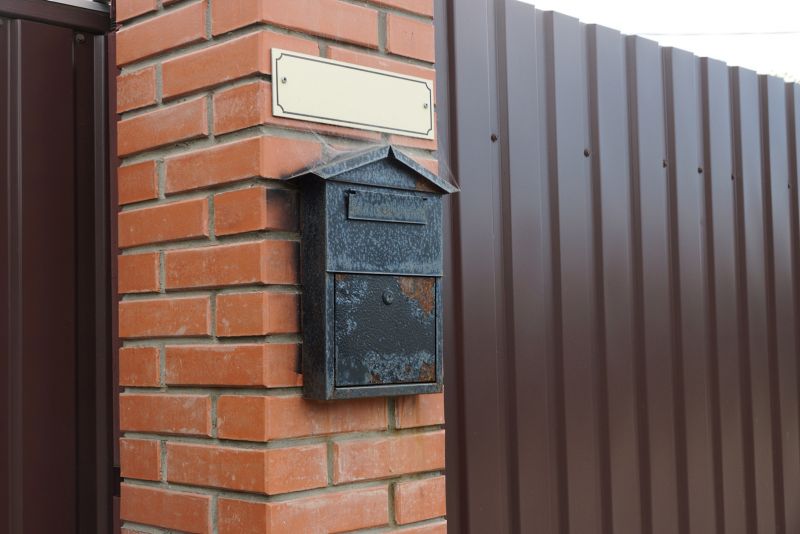
Popular materials for Brick Mailbox Installations and why they hold up over time.
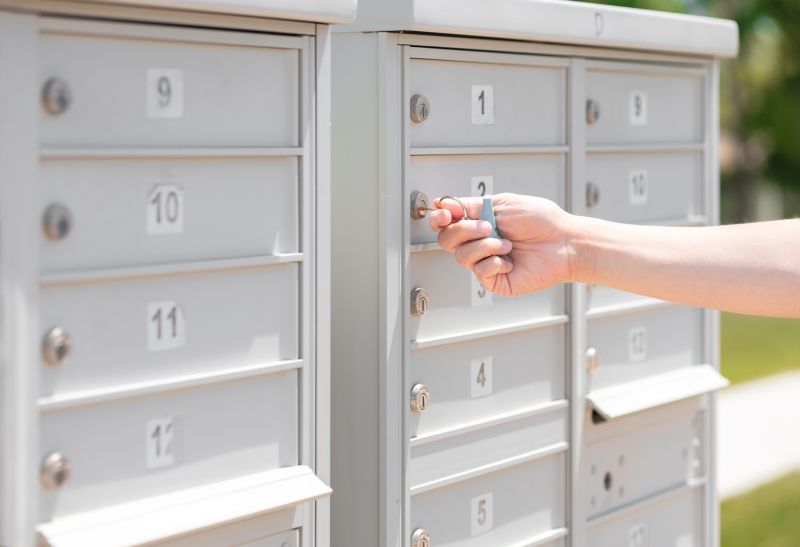
Simple add-ons that improve Brick Mailbox Installations without blowing the budget.
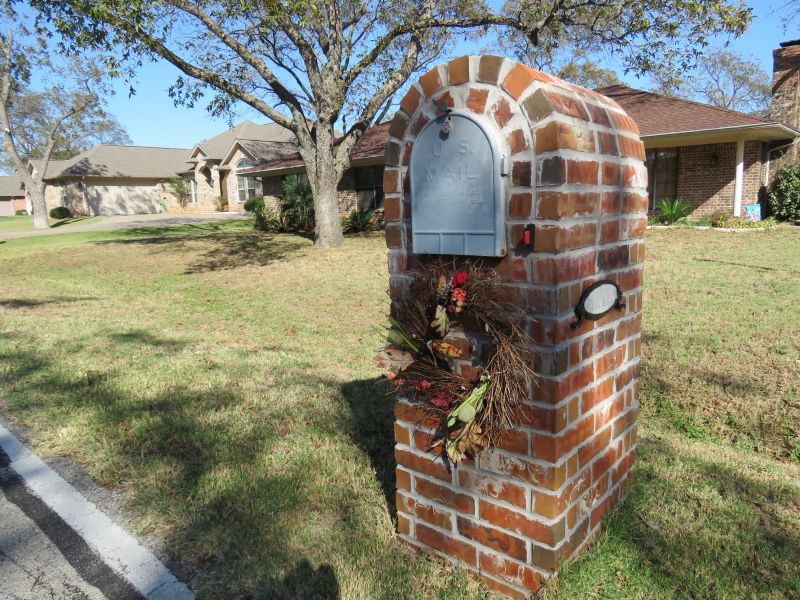
High-end options that actually feel worth it for Brick Mailbox Installations.
Finishes and colors that play nicely with Brick Mailbox Installations.
Brick mailbox installations are typically best performed during seasons with stable weather conditions. Proper timing can influence the durability and appearance of the finished structure. Temperatures that are too high or too low can impact mortar curing and brick adhesion, potentially leading to cracks or structural issues over time.
Statistics indicate that installations conducted in spring and fall tend to have fewer weather-related issues, resulting in higher quality outcomes. In regions with distinct seasonal changes, avoiding winter and peak summer heat is recommended to prevent mortar failure and brick damage.
Mild temperatures and low humidity levels support proper mortar curing and brick adhesion.
Scheduling during optimal seasons allows for better preparation and less interruption due to weather.
Installing during ideal weather conditions contributes to the long-term stability of the mailbox.
Weather conditions influence project timelines, with moderate seasons reducing delays.
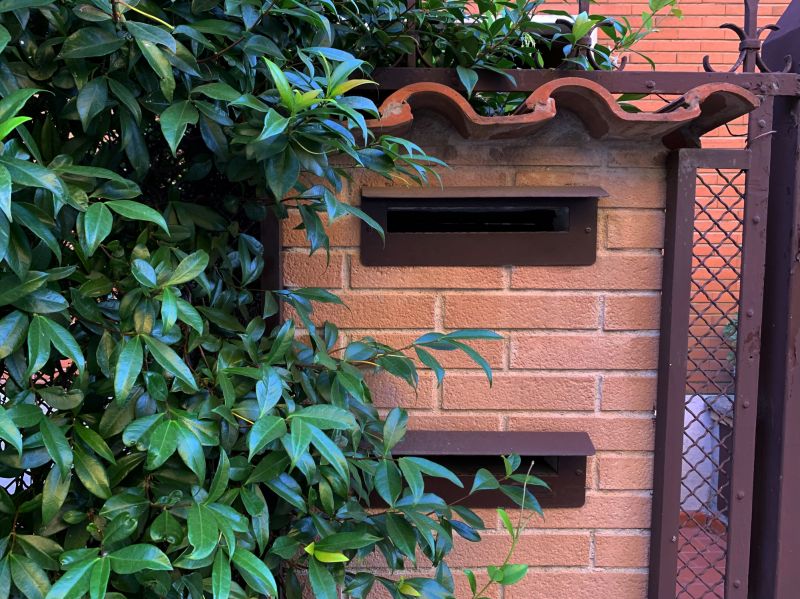
A brick mailbox installed during spring benefits from moderate weather for optimal curing.
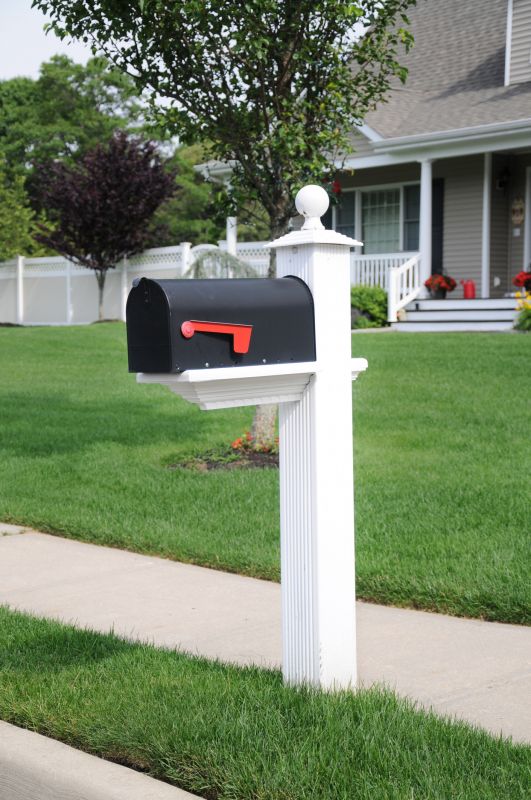
Summer installations require precautions against high temperatures and direct sunlight.
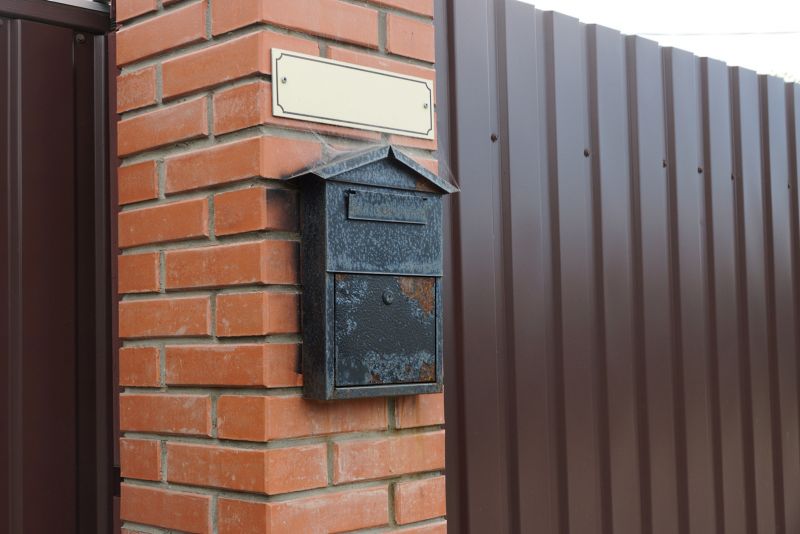
Fall provides cool, dry conditions ideal for durable brick structures.
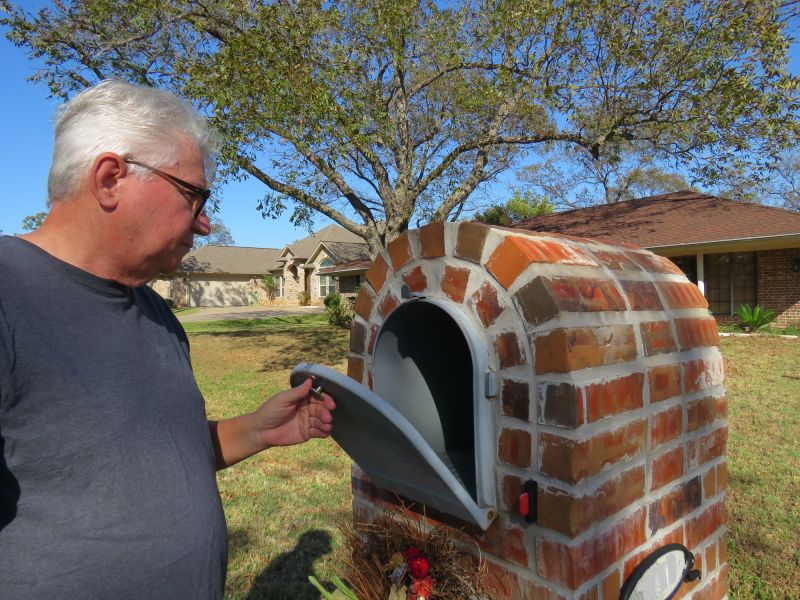
Winter is generally avoided due to freezing temperatures that hinder mortar setting.
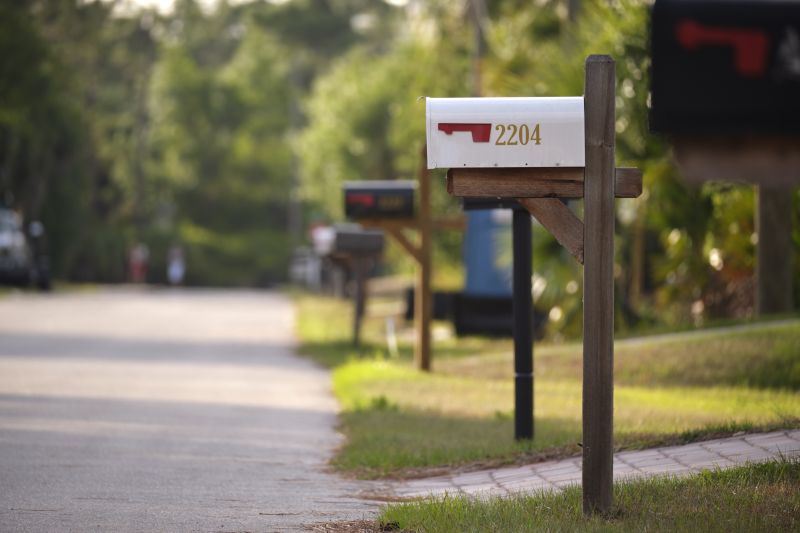
Early spring allows for scheduling before peak seasonal demand.
Late fall can be suitable if weather forecasts predict stable, dry conditions.
| Season | Ideal Conditions |
|---|---|
| Spring | Moderate temperatures, low humidity, longer days |
| Summer | Warm weather, but risk of high heat and rapid mortar drying |
| Fall | Cool, dry conditions, ideal for curing |
| Winter | Cold, freezing temperatures, generally unsuitable |
Proper timing for brick mailbox installations ensures structural integrity and aesthetic appeal. Selecting the right season minimizes weather-related risks and enhances the longevity of the installation. Consulting with experienced professionals can help determine the best timing based on local climate conditions.
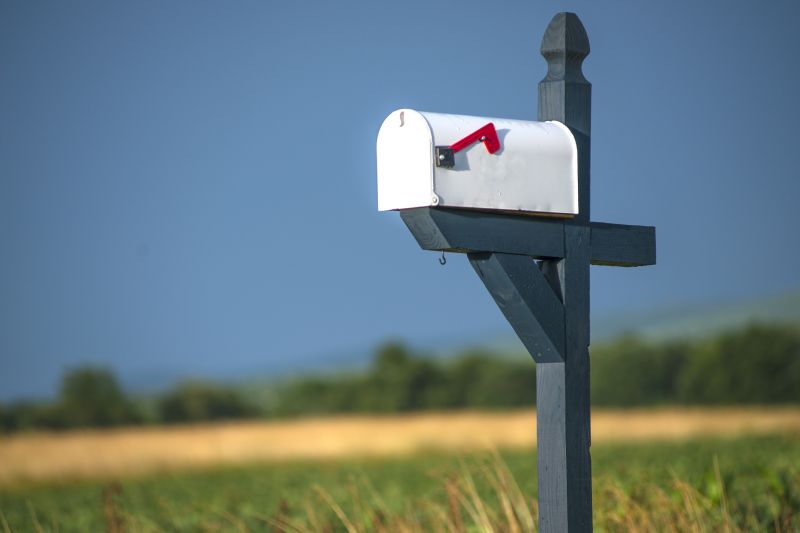
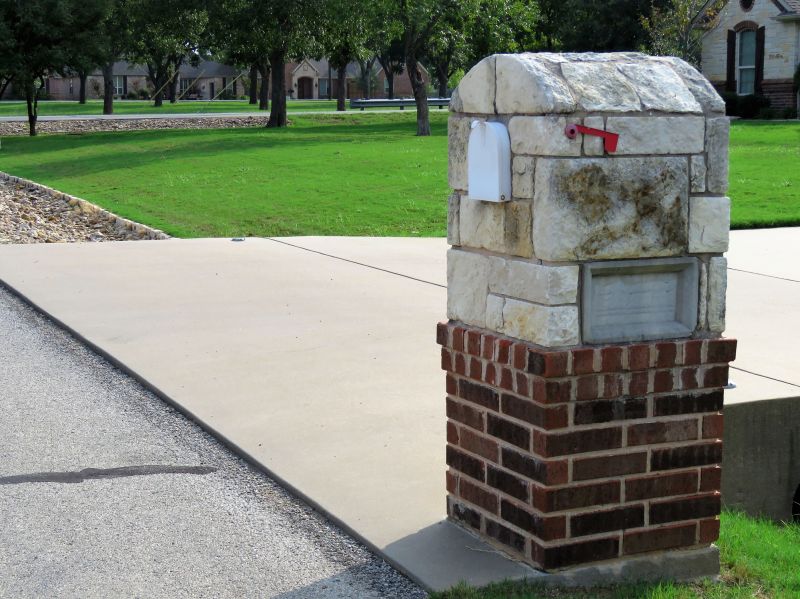
A well-placed brick mailbox exemplifies proper installation timing.
Different seasonal conditions impact the installation process.
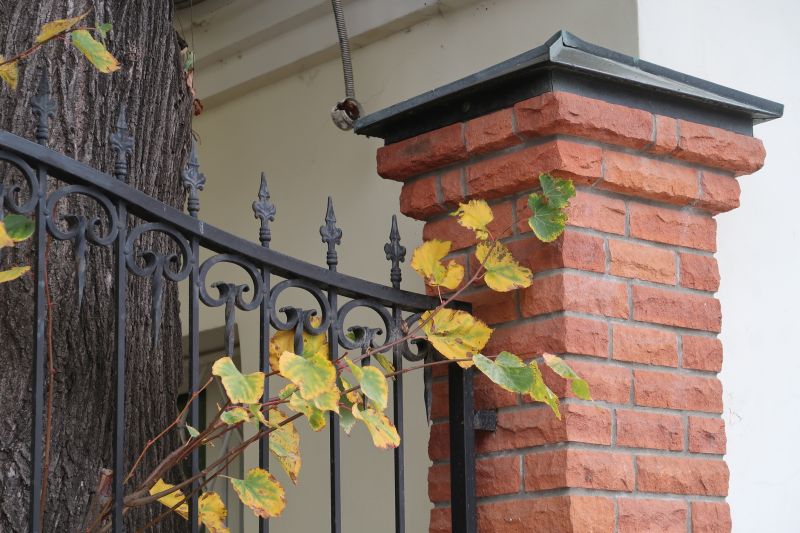
Proper timing contributes to long-term durability.
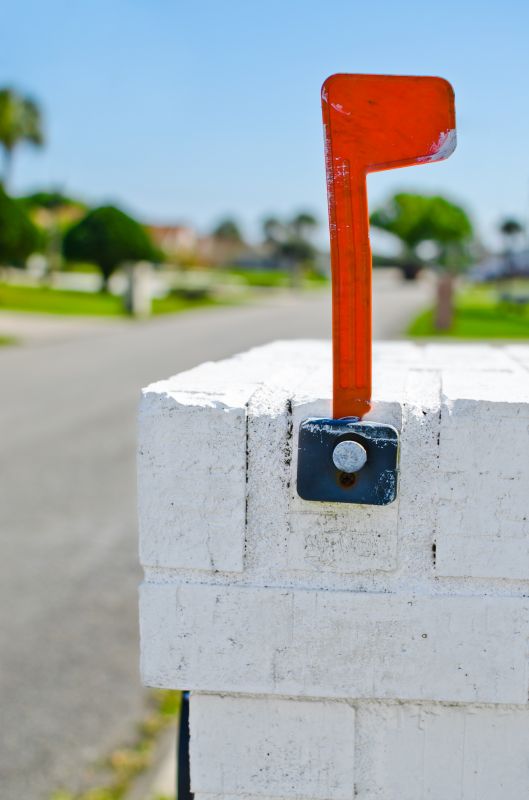
Finalized installations showcase the importance of optimal timing.
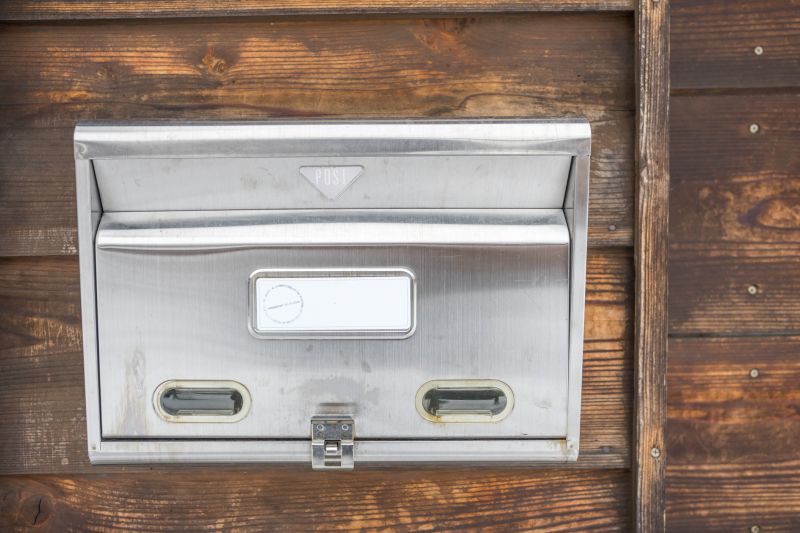
A 60-second routine that keeps Brick Mailbox Installations looking new.
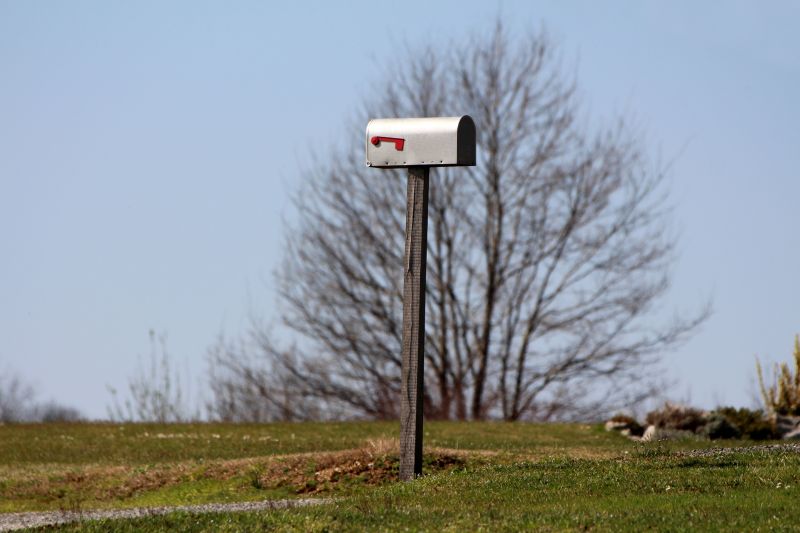
A frequent mistake in Brick Mailbox Installations and how to dodge it.
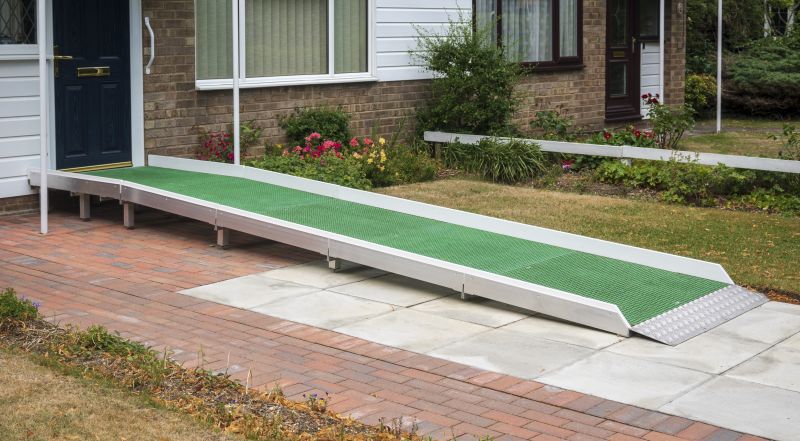
Small tweaks to make Brick Mailbox Installations safer and easier to use.
Lower-waste or water-saving choices for Brick Mailbox Installations.
Interested in scheduling a brick mailbox installation? Filling out the contact form can provide guidance on the best timing and ensure the project aligns with seasonal conditions for optimal results.